I have, in the past, complained about the terms we throw around, especially on the weather side of things.
But I’ve also been known to give props when positive change is made.
My point is this: what we doing, especially in the world of emergency messaging and alerting, is evolving. There are better practices, but best practices are few and far between. Experts are little more than folks with quick minds and oodles of experience. And they’ve got to have a willingness to learn because things are changing. For example, after Sandy:
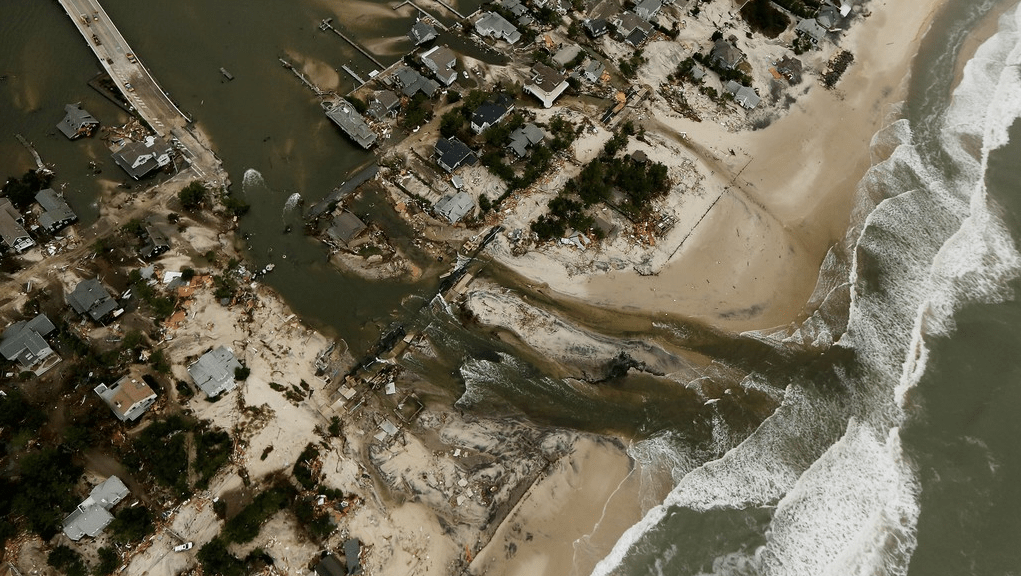
[T]he weather service announced Thursday[, April 4, 2013] that starting with this hurricane season, “the definitions of hurricane and tropical storm watches and warnings will be broadened” to allow these watches and warnings to be issued or remain in effect after a tropical cyclone — or hurricane — transitions to become post-tropical, when such a storm still poses a significant threat to life and property.
In addition, the weather service says the new system will “ensure a continuity of service by allowing the National Hurricane Center to issue advisories during the post-tropical stage. These changes were motivated by the special challenges posed by Hurricane Sandy, which was forecast to evolve from a hurricane to a post-tropical cyclone prior to reaching the coast.”
And after the 1999 Moore, Oklahoma tornado, the term tornado emergency was born:
“We had a large, violent tornado on the ground about to head into the most populous center in the state of Oklahoma and we were trying to make people aware that this was something different than normal. We were trying to do anything that we could at that time to get people’s attention.” -Scott Curl, senior forecaster
And the movement towards refining our terms continues as some of the most forward-leaning organizations start to advocate away from the old terms, like ranking hurricanes by the Saffir-Simpson scale:
This year, Phillyweather.net is going to refrain from using Saffir-Simpson in any posts. We encourage others in our field to do the same. It is an outdated classification system given a storm like Sandy can produce more damage than Irene at the Shore, given both were similarly ranked storms, yet we communicate them both as “just” Cat 1 storms.
…
No two storms are ever the same. Throwing them into a simple ranking based on one factor is not beneficial to the public. It may be easy for TV consumption but it’s not helpful for public consumption. People, we think, need to know more than that.
And the continual refinement isn’t limited to just weather. Even the World Health Organization has recently updated its pandemic alert system in an effort to make it more realistic and timely:
The World Health Organization (WHO) today[, June 10, 2013] proposed a new pandemic alert system, one that’s designed to focus more on disease risk than geographic spread and to streamline communications to the public.
…
The revised global phases are more of an “average” of the situation in all countries and don’t reflect the situation in individual countries, the WHO said. For example, it said in the “alert” phase, one country might be in full response mode, while another might still be at the earlier preparedness steps.
These changes, and I’m sure these aren’t the only terms that connote danger that are being reviewed and updated, are important to note for two reasons. First, they indicate a more subtle understanding of emergency situations, and it is thus critical that we as communicators understand them.
Second, and possibly even more important, is that our publics (who, between you and me, never really got the terms we used to use) now need to be taught what these new terms mean. What is a pandemic and how is it different than H1N1, what should I do during a tornado emergency, but it’s not even a hurricane anymore. It’s our job to not only integrate those terms into our work, but also to start from scratch and teach them.
 Government communicators get asked to do lots of not fun things. When things have gone sideways, we’re in charge of cleaning up the mess until the underlying mess (which is never our fault!) is fixed. When the press is looking for blood, or inches, or quotes, we stand guard at the gate and beat back the hordes. We sometimes have over-inflated visions of what our jobs are. But through it all, we are the ones that have to say something about a topic that most likely we’ve had nothing to do with until that moment when the phone rings.
 Public Health Affairs